
How Autism Is Diagnosed A Neurodiversity-Affirming Perspective
When people search for how autism Is diagnosed a neurodiversity-affirming perspective, they often try to understand whether their own communication style, social experiences, or sensory world reflect an autistic neurotype. Again, autism is a neurotype, not a disease.
As an autistic advocate and writer, I believe it’s important to begin here: autism is a natural variation in human neurology. That said, something like a blood test or any other medical-based test like that cannot be used to make an autism diagnosis.
Autism shapes how a person processes information, connects with others, communicates with people, and experiences their environment. It is called a spectrum because traits appear differently in each individual and support needs can vary widely.
Common characteristics may include:
- Variations in social communication
- Differences in body language
- A strong preference for routine and predictability
- Deep, focused interests (AKA “special interests”)
- Sensory differences—a heightened or reduced sensitivity to sound, light, textures, smells, or movement (AKA “sensory overload”)
No two autistic people are exactly the same. Everyone is unique. Some speak fluently, some minimally, and some communicate primarily through writing or assistive devices (such as the Augmentative and Alternative Communication (AAC) device). These variations are one reason diagnosis requires th
oughtful, respectful evaluation rather than assumptions. As people say nowadays, never presume incompetence.
Recognizing the Signs: Where the Diagnostic J
ourney Begins
The process of diagnosing autism often starts when patterns begin to stand out. For some, it is a parent noticing developmental differences. For others, it may be an adult recognizing lifelong social exhaustion, sensory overwhelm, or feeling different without understanding why.
When I was three years old, the administrator of my mother’s work told my mom to get me checked out, because I wasn’t speaking properly. That was when I was diagnosed with a speech delay. Around this time, and as I grew older, my mother noticed that I would line up my toys and stuffed animals methodically too. Throughout school, I would find several patterns to help me learn, memorize, and pass exams.
Common starting points may include:
- Ongoing social fatigue despite desiring connection
- Intense, specialized interests
- Long-standing sensory challenges
- Difficulty navigating unstructured social environments
A careful evaluation typically involves:
- Observing both communication and behavior across settings
- Reviewing developmental history and milestones
- Gathering input from people who know the individual well
For children and teens, caregivers play a central role in describing early play, friendships, sensory needs, and communication patterns. For adults, self-reflection and personal history often guide the assessment, sometimes supported by family insight whenever available.
Who Is Qualified to Diagnose Autism?
Autism evaluations are conducted by trained professionals who are familiar with neurodiversity-affirming assessment practices. Depending on the individual’s age and location, this may include:
- Psychiatrists
- Clinical psychologists or neuropsychologists
- General or developmental pediatricians
- Other clinicians specifically trained in autism evaluation
A strong evaluation considers both strengths and challenges. It should not focus solely on what is difficult. Rather, it should also recognize abilities, coping strategies, and areas of resilience, among others.
Diagnostic Language and Tools: What Professionals Use
Many autistic people prefer identity-first language and view autism as a neurotype. Notwithstanding, formal diagnostic systems still use the term ‘Autism Spectrum Disorder’ (ASD).
How Autism Is Diagnosed A Neurodiversity-Affirming Perspective
Understanding how autism Is diagnosed a neurodiversity-affirming perspective also means recognizing that modern evaluations should focus on understanding the individual as a whole person rather than reducing autism to a checklist of deficits.
Clinicians often rely on:
- DSM-5 criteria which outline differences in social communication, as well as patterns of restricted or repetitive behaviors, interests, or sensory experiences
- Standardized questionnaires completed by caregivers, teachers, or the individual themselves
- Structured observation tools that assess communication, flexibility, and interaction
For young children, screeners such as M-CHAT (i.e., the Modified Checklist for Autism in Toddlers) may help determine whether a full assessment is needed. For teens and adults, in-depth interviews and self-report tools usually play a larger role.
What a Thorough Autism Assessment Involves
A comprehensive autism evaluation goes far beyond a checklist, however. It usually includes:
- A detailed developmental history
- Direct observation of both communication and interaction
- Exploration of sensory processing and executive functioning skills
- Additional testing (only if relevant) for learning differences, attention challenges, or co-occurring conditions, such as anxiety, depression, ADHD, or OCD
Again, it isn’t like a simple blood test with fast results. It takes time. It depends, but it usually takes between one and four weeks.
The goal is not to “catch” someone doing something wrong. It is to understand how their brain works. Again, autism is a neurotype, and it’s about how our minds work. Many individuals describe receiving an autism diagnosis as validating—a framework that finally brings clarity to lifelong experiences. In my own story, one I was formally told in high school that I had the diagnosis all along, my entire life made sense. Within a couple of years, I became an advocate.
Advocating for Yourself During the Evaluation Process
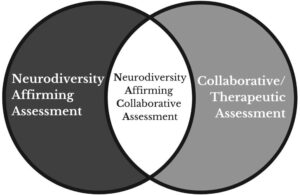
The diagnostic process can feel vulnerable. I always encourage individuals and families to approach it as a collaboration.
You have the right to:
- Bring written notes and specific examples
- Share patterns observed in the home, at school, at work, or in relationships
- Ask whether the clinician uses a neurodiversity-affirming approach
If your concerns are dismissed, seeking a second opinion is valid. Autistic traits are frequently overlooked in women, girls, and people who have self-taught themselves how mask extensively. Many are initially misdiagnosed with anxiety, depression, or personality disorders before autism is considered.
After the Diagnosis: Processing and Moving Forward
Receiving an autism diagnosis can bring mixed emotions relief, grief, anger about missed support, or a sense of peace and understanding. All these reactions are valid. Personally, I wondered if it would’ve been better to have known back when I was six and first diagnosed, but again, I began piecing together my life and realized that I was never alone.
It is important to remember:
- Autism is a lifelong neurotype. It is not caused by parenting or personal failure.
- A diagnosis does not change who someone is; it provides language and context.
- The purpose of diagnosis is access to accommodations, the community, and informed support.
Post-diagnosis support may include:
- Learning more about autistic neurology
- Exploring sensory-friendly strategies
- Accessing mental health care
- Requesting school or workplace accommodations
- Connecting with autistic-led communities, such as social groups
For many, diagnosis becomes not an endpoint, but a beginning in understanding How Autism Is Diagnosed — A Neurodiversity-Affirming Perspective and what it truly means for identity, support, and self-acceptance.
In my blogs, my goal is to provide insights grounded in research and lived experience, helping families navigate autism with understanding, clarity, and hope. For more firsthand accounts, I post videos regularly on YouTube, Instagram, TikTok, X, LinkedIn, and Facebook.
If you would like to read about it in book form, check out my books, Juggling the Issues, Unstoppable, and The Tireless Advocate; the first two are nonfiction and the third is autofiction.
To support my work and help promote disability awareness, acceptance, and inclusion, please consider exploring the products in my shop.
“Disability or not, anybody can do whatever they set their heart and mind to do, as long as it’s practical. Behind the disability, we have a heart and a mind.”
Disclaimer
This blog is for informational and educational purposes only and is not a substitute for professional medical, psychological, or psychiatric advice, diagnosis, or treatment. If you have questions about autism, your mental health, or your child’s development, consult a qualified healthcare professional.
